
Products

Jet A-1
Jet A-1 is a kerosene-based aviation fuel, widely used in turbine-engine aircraft, that meets stringent international specifications for quality and performance. It is characterized by a flash point above 38°C and a freezing point below -47°C, ensuring safe and efficient operation across a range of temperatures.
Key specifications include those outlined in DEF STAN 91-91, ASTM D1655, and the NATO code F-35.
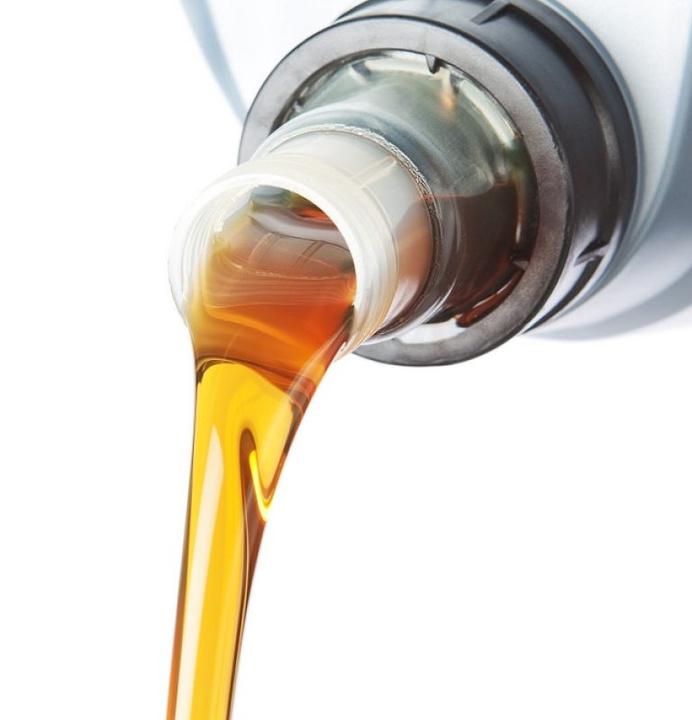
EN 590
EN 590 is the current standard for diesel fuel sold in the European Union member states and other European countries. This grade of fuel is also called ultra-low Sulphur diesel (ULSD). All road diesel (DERV) that is now sold in the UK meets the EN 590 standards and has a compulsory 7% by volume biodiesel component blended into it, usually EN 14214 FAME biodiesel. This is optional for EN 590 fuel used as gas oil, as is the cetane content.
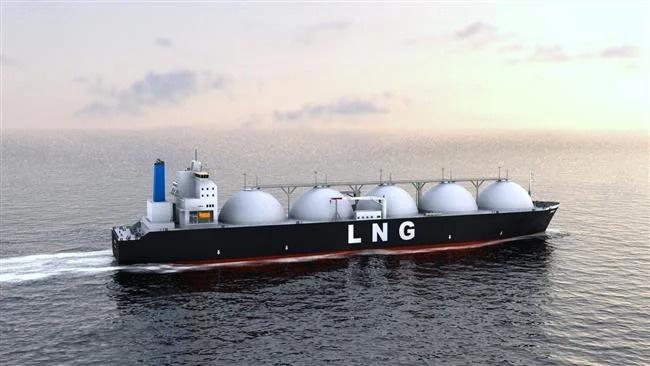
Liquefied Natural
Gas (LNG)
Liquefied Natural Gas (LNG) specifications relate to its physical and chemical properties, ensuring safe handling, storage, and transportation. Key aspects include its composition, which is predominantly methane, along with ethane, propane, and other components, as well as its physical properties like density, boiling point, and calorific value.

Crude oil
Crude oil specifications encompass various characteristics including API gravity, sulfur content, density, viscosity, and other properties. These specifications are crucial for determining the oil’s value, suitability for refining, and trading on the market. API gravity and sulfur content are the most important factors in determining a crude oil’s value.
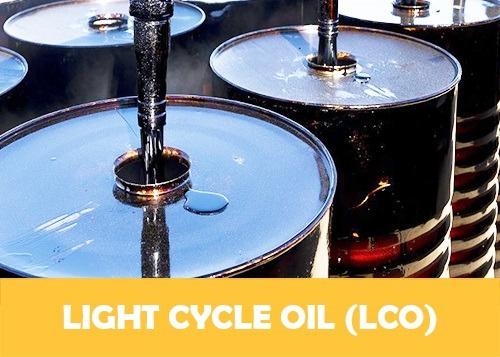
Light Cycle Oil (LCO)
Light Cycle Oil (LCO) is a petroleum product with varying specifications depending on its source and intended use, but generally, it has a density between 0.82-0.92 kg/L, a flash point around 50°C, and a viscosity between 3-8 cSt at 40°C. It is a byproduct of the fluid catalytic cracking (FCC) process and is often used as a feedstock for diesel and lubricating oil production.
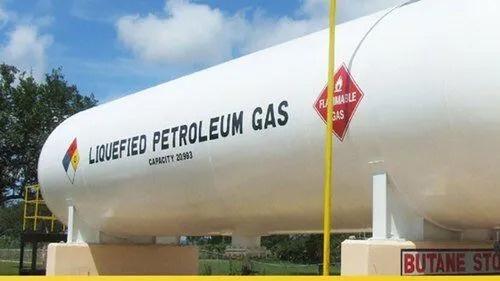
Liquefied Petroleum Gas
(LPG)
Liquefied Petroleum Gas (LPG) is a fuel gas mixture, primarily composed of propane and butane, that is easily liquefied under moderate pressure. Specifications vary, but generally include limits on vapor pressure, sulfur content, corrosion, and other factors to ensure safe and efficient use. LPG is denser than air and is commonly used for heating, cooking, and as a fuel for vehicles.

Gasoline
Gasoline octane specification refers to the fuel’s ability to resist premature detonation (knocking) in an engine’s combustion chamber, measured by its octane number. Different grades of gasoline, like regular, midgrade, and premium, have varying octane ratings, with premium fuels generally having higher ratings. The recommended octane level for a vehicle is typically specified in the owner’s manual.as gas oil, as is the cetane content.
Russian Export Blend
Crude Oil (REBCO)
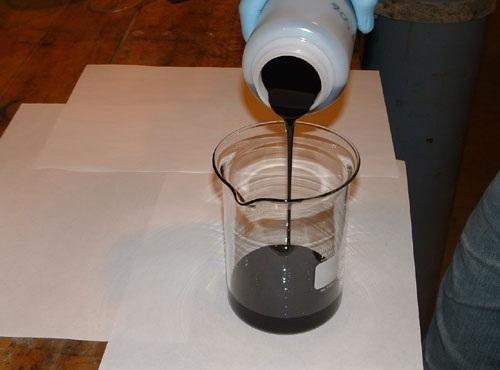
Russian Export Blend Crude Oil (REBCO) is characterized by specific gravity, sulfur content, paraffin content, water and sediment content, distillation characteristics, and salt content. Key specifications include a density of 0.870 g/cm³ at 20°C, a maximum sulfur content of 1.8 wt.%, and a maximum paraffin content of 1.8% according to Scribd and Ariyan International Inc.pdf}. It also has a maximum water and sediment content of 1.2 vol.%, and distillation characteristics of 21.0% at 200°C, 41.0% at 300°C, and 50.0% at 350°C.

ESPO (Eastern SiberiaPacific Ocean)
ESPO (Eastern Siberia-Pacific Ocean) crude oil is a light, sweet crude with a low sulfur content, making it a desirable feedstock for refineries. It has a density of 0.8508 kg/L, an API gravity of 34, and a sulfur content of 0.535%. Other key specifications include a kinematic viscosity of 6.949 cSt at 20°C, a pour point of -36°C, and low levels of metals like nickel and iron.
Diesel fuel
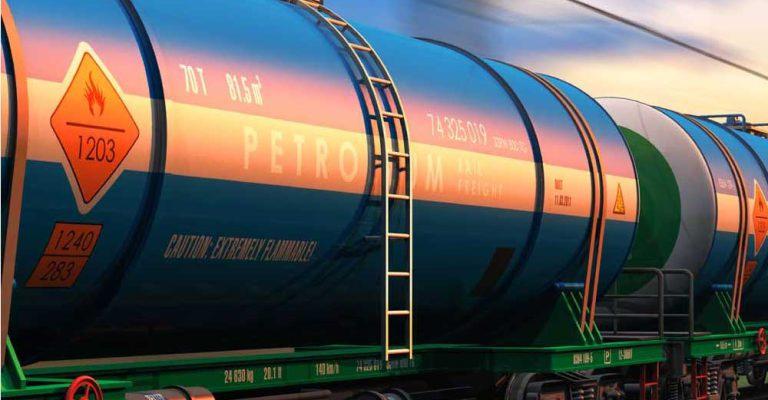
Diesel fuel with a 500ppm specification indicates a maximum sulfur content of 500 parts per million (ppm) or 0.05% by weight. This specification was introduced as a lower sulfur content fuel to help reduce particulate emissions from diesel engines.
Automotive Gas Oil (AGO)
Automotive Gas Oil (AGO), commonly known as diesel, is a petroleum-based fuel used in diesel engines. It’s specified by various parameters including density, distillation recovery, flash point, viscosity, and sulfur content. These specifications ensure optimal engine performance and compliance with environmental regulations.

Virgin Fuel Oil D6
Virgin Fuel Oil D6 – Ducon Petroleum Private LimitedVirgin D6 fuel oil, also known as Residual Fuel Oil (RFO) or Bunker C, is a heavy, high-viscosity fuel derived from the heaviest fractions of crude oil distillation. It’s primarily used in large marine engines, industrial furnaces, and power generators. Due to its high viscosity, it requires preheating before use.
Petroleum coke (pet
coke)
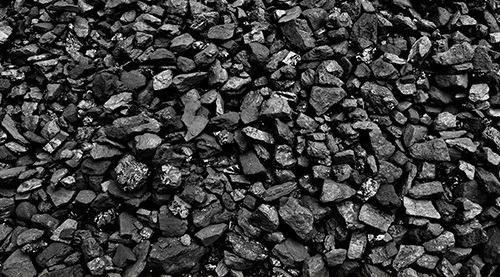
Petroleum coke (pet coke) specifications vary depending on whether it’s fuel grade or calcined grade. Fuel grade pet coke is used as a fuel source and has specifications like ash content (typically around 1%), volatile matter (around 12%), sulfur content (around 5%), and moisture content (around 8%). Calcined pet coke, used in aluminum and steel production, has higher fixed carbon (around 98.5%), lower ash (around 0.5%), volatile matter (around 1%), and moisture (around 0.5%).
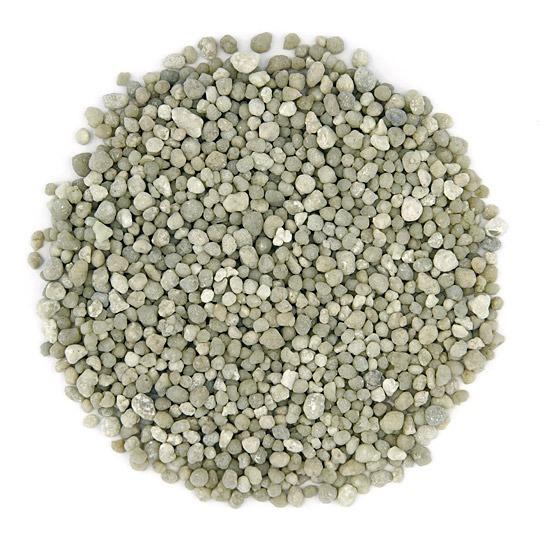
Diammonium phosphate (DAP)
Diammonium phosphate (DAP) is a widely used fertilizer with the chemical formula (NH4)2HPO4. It is a white, crystalline powder, and is primarily known for its high content of nitrogen and phosphorus, containing 18% nitrogen and 46% phosphorus (P2O5). DAP is a crucial nutrient source for plant growth and is often used as a basal dose for crops.

Urea
Urea 46% is a nitrogen-rich fertilizer with a standard specification of 46% nitrogen content, typically in a granular or prilled form. It also contains low levels of moisture (around 0.5%) and biuret (around 1%). The particle size usually ranges from 1 to 4 mm.